

Breastfeeding takes more out of you than most people expect. Between night feeds, broken sleep, and the steady physical demand of producing milk, it is common to feel drained in ways that go beyond normal tiredness. Many new mums notice constant thirst, headaches that come out of nowhere, or a flat, foggy feeling that lingers through the day.
Hydration plays a bigger role in all of this than it often gets credit for. Drinking water is a good start, but anyone who has trained, worked long days in the heat, or pushed their body consistently knows that water does not always do the full job on its own. During breastfeeding, your body is working around the clock, and fluids are being pulled in different directions. Paying attention to electrolytes during breastfeeding and how they support hydration can help you stay steadier through the day, without turning it into another thing to manage.
Why Hydration Matters More During Breastfeeding
If you have ever trained for a sport or spent long hours on your feet, you will recognise the feeling of being thirsty even though you have been drinking water. Breastfeeding creates a similar demand. Breast milk is mostly water, so your body is constantly redirecting fluids to support your baby. Add broken sleep and the general physical load of early motherhood, and hydration needs quietly climb without much warning. All of this adds up to a higher baseline need for fluids throughout the day.
Many mums find that even when they are drinking water regularly, they still feel dry, light-headed, or low on energy. That is because hydration is not just about volume. It is also about how well your body absorbs and holds onto that fluid. This is where electrolytes quietly come into play.
In warmer climates, or during summer months in New Zealand and Australia, fluid loss increases even more. Add in pushing a pram, getting back into light movement, or simply carrying a baby around all day, and hydration needs can climb quickly.
Signs You May Be Running Low on Fluids and Electrolytes
Early signs of dehydration during breastfeeding are often easy to dismiss. They do not always feel dramatic, but they tend to show up consistently. You might notice a dry mouth during feeds, tension in your neck or shoulders, or a dull headache that does not ease with rest.
Low energy is another common sign. This is not the sharp tiredness that comes from a rough night, but a heavy, flat feeling that makes the day feel longer than it should. Some mums also experience muscle tightness, especially in the calves or feet, or feel light-headed when standing up after sitting or feeding.
These signs do not mean something is wrong or that you are doing anything badly. Anyone who has trained hard or pushed through long days knows this feeling. Your body is simply falling a bit behind on what it needs. Catching it early and supporting hydration while breastfeeding can stop those small warning signs from turning into a day where everything feels heavier than it should.
Why Water Alone Is Not Always Enough
People who spend time running, cycling, or working physical jobs learn pretty quickly that water has limits. You can drink plenty and still feel flat if the body cannot hang on to it. That usually comes down to electrolytes. Sodium, potassium, and magnesium help fluids stay where they are needed, keep muscles working smoothly, and support steady nerve signals. When those levels drop, hydration feels short-lived, no matter how much water you pour in.
During breastfeeding, electrolytes support the way fluids are absorbed and distributed. Sodium helps your body retain water, potassium supports muscle and nerve function, and magnesium plays a role in relaxation and energy production. Together, they help hydration feel more effective rather than fleeting.
This does not mean you need large doses or aggressive formulas. For breastfeeding mums, the goal is gentle, steady support rather than extremes.
Choosing an Electrolyte Drink While Breastfeeding
Not all electrolyte drinks are suited to breastfeeding. Many are designed for intense endurance sports and contain very high sodium levels, added sugars, or stimulants that are unnecessary during this stage of life.
When looking for an electrolyte drink for breastfeeding, it helps to keep things simple. A short ingredient list, no added sugar, and moderate electrolyte levels are often easier on the body. Taste matters too. If a drink is overly salty or intense, it becomes harder to sip consistently through the day, which defeats the purpose.
Most breastfeeding mums benefit from something that can be diluted, sipped slowly, and used alongside meals and snacks without overwhelming the system.
Elyte Hydration vs LMNT for Breastfeeding Mums
LMNT is a popular electrolyte product, particularly among athletes and people following very low-carb diets. It is known for its high sodium content and strong salty taste. For some people, this works well in short bursts after heavy sweating or intense exercise.
During breastfeeding, however, those same features may feel like too much. The sodium level in LMNT is high, and the flavour can be intense, making it harder to drink regularly throughout the day. Some mums find it difficult to tolerate during periods of fatigue or nausea.
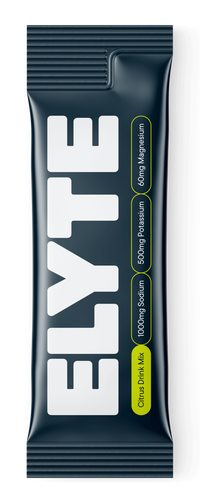
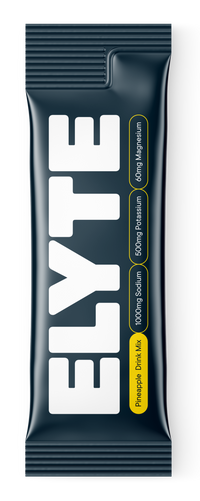
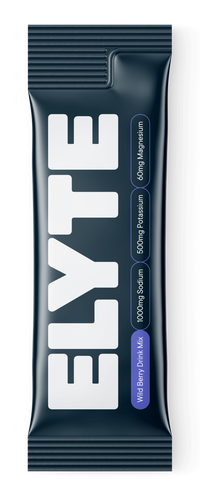
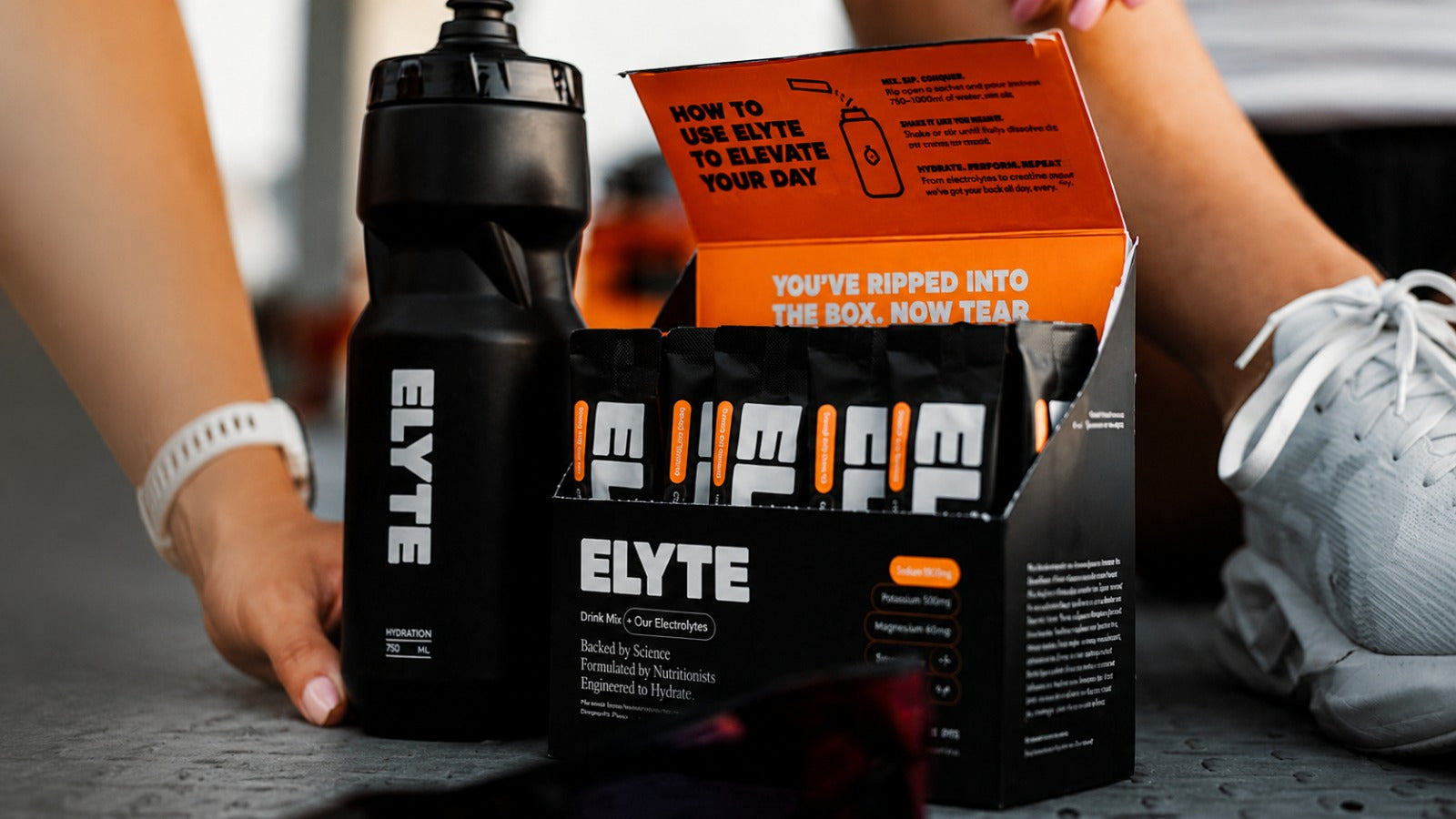
Elyte Hydration offers a different approach. The electrolyte balance is designed for everyday hydration rather than peak athletic performance. It contains sodium, potassium, and magnesium in a ratio that supports fluid absorption without pushing extremes. The flavour profile is lighter, and the powder can be mixed at different strengths depending on how you are feeling that day.
For breastfeeding mums, this flexibility matters. Some days call for a lighter mix that you can sip during feeds. Other days, especially after poor sleep or on hot afternoons, you may want a slightly stronger drink. Elyte Hydration allows for that adjustment without feeling harsh on the body.
How and When to Use Electrolytes While Breastfeeding
There is no single right time to use electrolytes. Many mums find them most helpful during long feeding sessions, especially in the early weeks when feeds are frequent and time can blur together. Sipping an electrolyte drink during these moments helps replace fluids steadily rather than trying to catch up later.
Electrolytes can also be useful after broken sleep, when your body feels flat before the day even begins. A lightly mixed drink in the morning can support hydration without replacing breakfast or coffee. On warmer days, or when returning to light exercise like walking or stretching, electrolytes can help prevent that drained feeling later on.
The key is consistency rather than volume. Small, regular sips tend to work better than forcing large amounts at once.
Common Questions New Mums Have About Electrolytes
Many mums worry that electrolytes might affect milk supply. In general, staying well hydrated supports milk production rather than interfering with it. Electrolytes do not replace food and should be used alongside regular meals and snacks.
Others ask whether daily use is safe. For most people, moderate electrolyte use is fine, especially when formulas are free from stimulants and added sugar. Diluting drinks and listening to your body helps keep things balanced.
If you have specific medical conditions or concerns, it is always worth checking with a healthcare professional, especially during the early postpartum period.
Supporting Yourself Through the Breastfeeding Season
Breastfeeding is demanding, both physically and emotionally. Hydration is not a cure-all, but it is one of the simplest ways to support your body during this time. Paying attention to electrolytes during breastfeeding can help steady energy levels, reduce that constant thirsty feeling, and make the days feel more manageable.
For many mums, having something like Elyte Hydration on hand offers a practical, low-effort way to support hydration without adding another thing to think about. Paired with regular meals, rest where possible, and self-compassion, it becomes part of a wider support system rather than a solution you have to chase.
Breastfeeding seasons change. Supporting yourself through them matters just as much as supporting your baby.
FAQs
1. Do I need electrolytes while breastfeeding?
Many breastfeeding mums find they feel more balanced when electrolytes are added to their hydration routine. Breastfeeding increases fluid demands, and electrolytes help the body absorb and retain fluids more effectively than water alone.
2. Can electrolytes affect breast milk supply?
In general, staying well hydrated supports milk production. Moderate electrolyte use does not replace food and is best used alongside regular meals and snacks. If you have concerns about supply, it’s always worth speaking with a healthcare professional.
3. Are electrolytes safe to use every day while breastfeeding?
For most people, yes. Using electrolytes with simple ingredients, no stimulants, and no added sugar is usually well tolerated. Many mums prefer lighter mixes they can sip steadily through the day.
4. Is water enough, or do electrolytes really make a difference?
Water is essential, but it does not always meet hydration needs on its own. Electrolytes help fluids stay where the body needs them, which can be especially helpful during breastfeeding when demands are higher.
5. How should I use electrolytes while breastfeeding?
Most mums do best with small, regular sips rather than large amounts at once. Electrolytes can be helpful during long feeding sessions, after broken sleep, or on warm days when fluid loss increases.
6. What should I look for in an electrolyte drink while breastfeeding?
Look for a short ingredient list, no added sugar, moderate electrolyte levels, and a flavour that is easy to sip. Drinks designed for extreme endurance sports may feel too strong for everyday breastfeeding needs.